
The New Luxury of Heritage
The New Luxury of Heritage

Luxury used to be legible. You knew it when you saw it: the marble, the gilded edge, the surface that announced its own expense without apology. Luxury was finish. Luxury was polish. Luxury was the thing that looked like it cost what it cost.
Something has shifted.
The rooms that read as genuinely luxurious in 2026 — the ones that stop you, that hold you, that make you want to understand how they were made — are not the rooms with the most expensive materials. They’re the rooms with the most honest ones. Solid wood with visible grain. Plaster walls with the texture of a human hand. Stone used for what stone actually is rather than for what it can be made to imitate. Joinery you can study. Objects with provenance.
This is Modern Heritage. And it is, quietly, the most sophisticated design sensibility working today.
What Modern Heritage Is Not
It is not farmhouse. It is not rustic. It is not the reclaimed barn wood aesthetic that decorated every spec home from 2014 to 2021 and now feels as dated as shiplap.
Modern Heritage is not nostalgia. It is not reproduction. It is not the practice of making new things look old in ways that reveal themselves on close inspection.
Modern Heritage is the practice of using materials, methods, and objects that have a genuine relationship with time — that were made by people with specific skills, from specific places, with specific purposes — and designing with them in a way that is entirely of the present moment. The heritage is in the material. The modernity is in the eye.
The Materials That Define It
Solid wood, honestly expressed. Not veneer. Not laminate engineered to look like wood. Solid timber — white oak, walnut, cherry, maple — used in ways that show what it is. The grain, the knots, and the variation in color across a single table are not imperfections; they are the evidence of origin.

Stone as a material, not a statement. The design industry has spent the last decade treating stone as a pattern — dramatic slabs with maximum vein movement. Modern Heritage is interested in stone as a building material: honed rather than polished, used structurally as well as decoratively, specified for what it actually is rather than what it can be made to look like at maximum drama.
Plaster and lime wash. The return of plaster walls — troweled, textured, imperfect — is one of the defining moves of Modern Heritage interiors. Plaster walls breathe, absorb and release humidity, and look different in morning light than afternoon light.

The Architecture of Permanence
Modern Heritage is not only an interior design sensibility; it is an architectural one.
Build for disassembly. The buildings that survive generations are the ones whose components can be maintained, repaired, and replaced individually. A timber frame can be re-roofed. A plaster wall can be repaired. A solid wood floor can be refinished. Modern construction methods that rely on structural adhesives and assemblies that cannot be separated without destruction are efficient to build but impossible to repair. Modern Heritage prefers slower, more expensive construction methods that extend the life of the building.

Proportion as the primary design tool. Modern Heritage rooms are distinguished by their proportions — the relationship between ceiling height and room width, between window size and wall area, between door height and human scale. These are the decisions that make a room feel generous, settled, or noble. They cannot be corrected after construction and they cost nothing to get right in the design phase.
Craft as a specification. In a Modern Heritage project, the millwork contractor is chosen for skill, not price. The cabinet maker is a maker, not a factory. This adds cost and time to the project, but it adds decades to the result.

Why It Matters in 2026
We are building in a moment of acute material abundance and widespread material anxiety. The buildings we construct today will stand — or fail to stand — for the next century. The choices we make about what we build with, how we build it, and how long we expect it to last are not only aesthetic choices. They are ethical ones.
Modern Heritage is, among other things, a response to that anxiety. It chooses materials that are renewable, repairable, and honest about what they are. It values longevity over novelty and craft over convenience.
Designing for the Long Arc

The question we ask at the beginning of every Modern Heritage project is not “what do you like right now?” It’s “what do you want to still love in thirty years?”
The room designed for the long arc — built from materials that improve with age, proportioned for human dignity, filled with objects that carry meaning — becomes more itself over time rather than less.
That is the only luxury that compounds.
FOLLOW US ON SOCIAL MEDIA
About Us
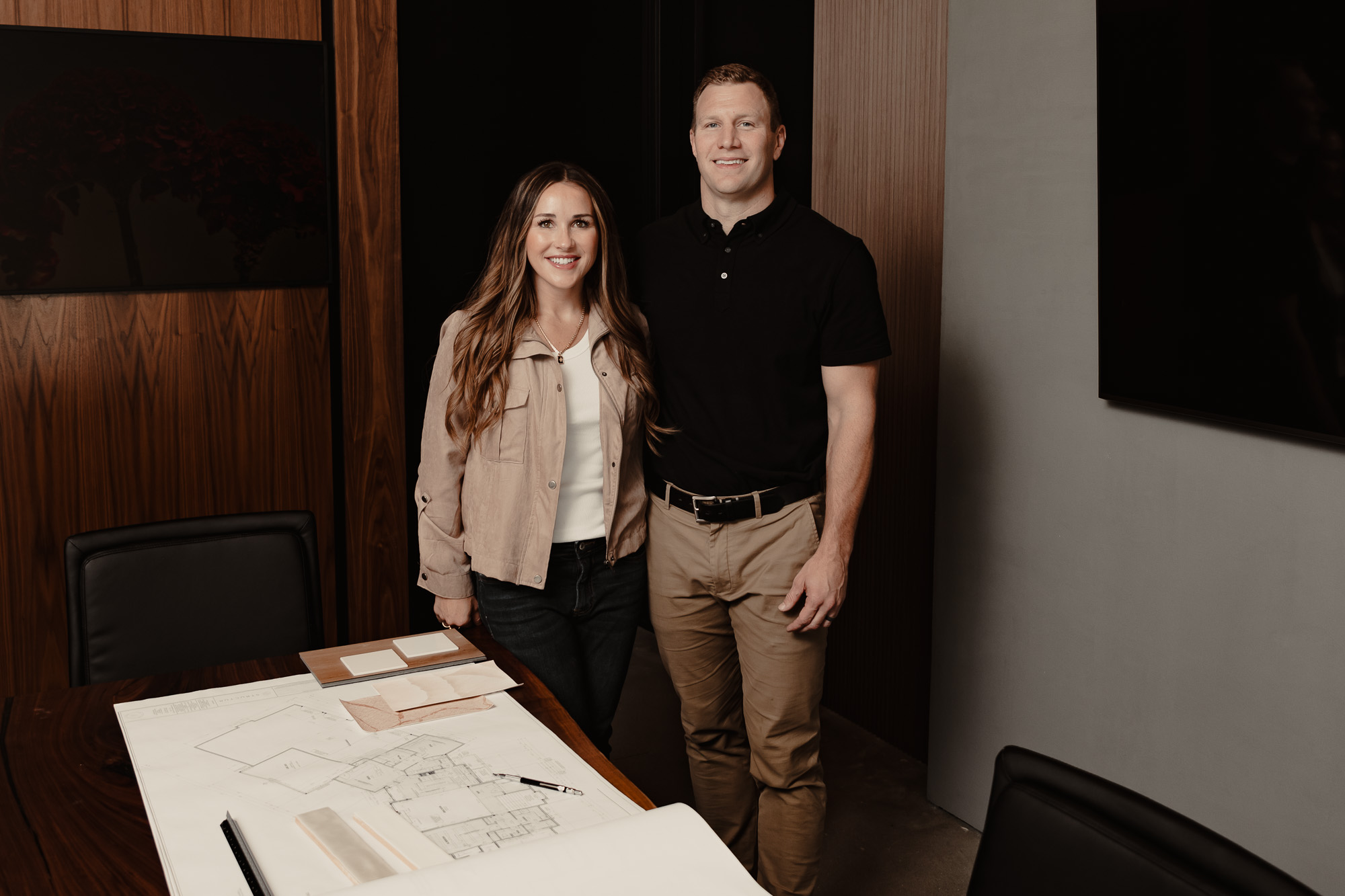
Structur is a full service residential design firm located in Elkhorn, NE. We specialize in creating stunning custom spaces, styling show-stopping decor, and finding hidden gems in the real estate world.


Recent Comments